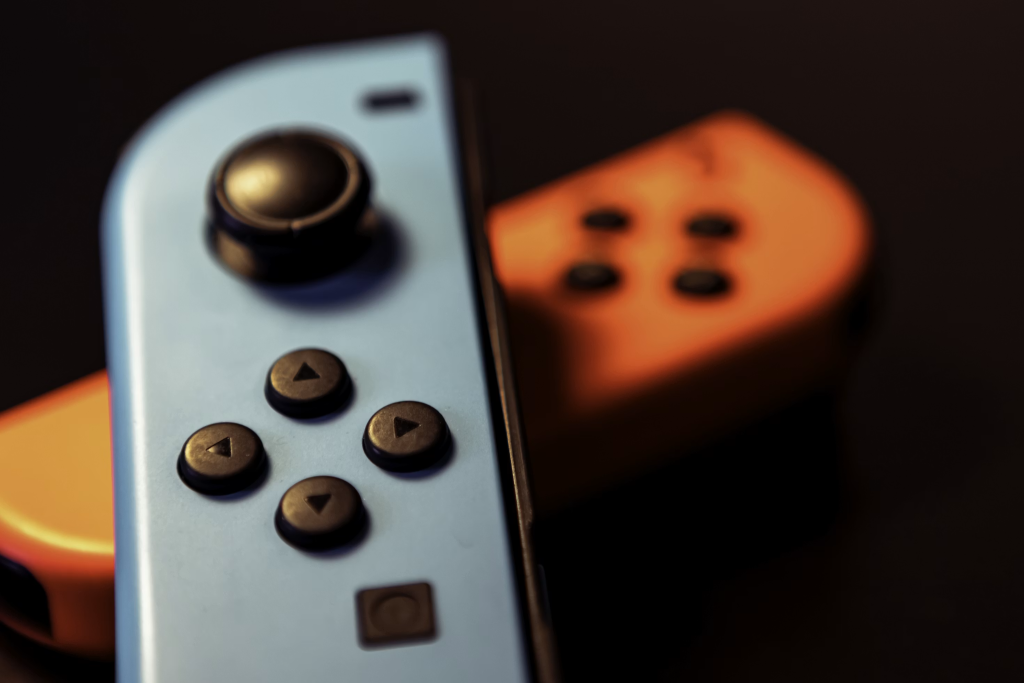
Controller icons once flickered only on living-room screens, yet the same characters now headline global premieres and red-carpet galas. Adapting games into prestige cinema or limited-run series has turned into a strategic arms race, with streaming giants vying for story franchises that arrive pre-loaded with passionate fanbases. The result: record-breaking watch-hours, cross-platform merchandise, and critical respect that interactive entertainment once struggled to earn.
Studios measure franchise potential by engagement metrics, and platforms such as spinfin crunch view-through data, social sentiment, and mod downloads to predict whether a beloved digital hero can anchor a binge-worthy season. When forecasts align, green-lights follow, budgets balloon, and cosplay hashtags ignite long before a single teaser drops.
From Pixels to Plots: What Fuels the Surge
Adapting a twenty-hour campaign into a two-hour feature once forced brutal cuts, but the rise of serial storytelling changed the calculus. Episodic arcs mirror quest progression, allowing lore, side characters, and alternate endings to breathe. Simultaneously, Netflix and Amazon Prime Video hunt for intellectual property that secures subscribers in an increasingly crowded market. Games offer hard data on audience size, regional appeal, and character popularity insights that original pitches rarely supply.
Key Drivers Behind the Boom
- Guaranteed Built-In Communities
Multiplayer titles foster millions of forum posts, ensuring an active audience eager to debate casting choices and Easter eggs. - Expansive Universes Ready for Serialization
Open-world maps translate into sprawling story sandboxes, supporting multiple seasons without narrative fatigue. - Advances in Digital Production
Real-time engines streamline virtual sets, cutting costs while preserving aesthetic continuity with source material. - Merchandise Synergy
Co-branded peripherals, apparel, and collector’s editions boost revenue and deepen viewer investment. - Data-Driven Risk Management
Playtime statistics forecast retention rates, giving financiers confidence to bankroll ambitious visuals.
While these factors accelerate green-lights, success still hinges on respectful adaptation. Scriptwriters must distill interactive choice into passive drama without alienating veteran players or confusing newcomers.
Narrative consultants often emerge from the modding community, bringing encyclopedic knowledge of lore and tone. Collaborative writers’ rooms blend that expertise with traditional screenwriting craft, ensuring dialogue resonates beyond inside jokes.
Cross-Media Storytelling Benefits for Fans and Studios
Interactive and passive mediums reinforce one another when handled with care. Viewers who binge a show frequently purchase remastered game editions to explore untouched story corners, while players appreciate cut-scene upgrades influenced by cinematic reinterpretations. Both markets grow without cannibalisation, delivering a win-win feedback loop that corporate boards crave.
Analysts also note behavioural shifts: a two-hour film sparks weekend sales spikes, but a weekly series sustains momentum over months, allowing marketing teams to roll out tie-in music, art books, and DLC drops timed to cliff-hangers. Sony leverages platform exclusivity, bundling subscription discounts with console releases to lock ecosystems together.
Between episodes, lore explainer podcasts, interactive maps, and ARG-style social media puzzles deepen immersion, transforming passive viewership into active lore-hunting.
Industry Hall of Fame: Adaptations That Raised the Bar
Quality varies, yet certain projects set benchmarks for storytelling fidelity, production design, and fan satisfaction.
Successful Adaptations Setting the Benchmark
- “Nightfall City Chronicles” – A neon-soaked detective saga adapted from a cult cyberpunk RPG, praised for episode pacing that mirrors mission chains.
- “Kingdoms Awaken” – A medieval fantasy epic expanding side-quest lore into political intrigue, filmed on LED stages for game-accurate vistas.
- “Pixel Kart Rally” – A family-friendly animation that revived a 1990s racer with witty nods to power-up mechanics.
- “Last Stronghold” – A gritty survival horror limited-series whose practical effects honoured the source game’s resource-scarcity tension.
- “Starlight Frontier” – A space opera mini-series that used original voice actors, satisfying purists and newcomers alike.
Each title demonstrated that authenticity and narrative adaptation can coexist, provided producers respect core mechanics and fan expectations.
Looking Ahead: Interactive Futures
Technological convergence hints at even deeper crossover. Choose-your-own-episode experiments allow branching storylines influenced by viewer decisions, blurring distinctions between watching and playing. Cloud-based streaming promises instant jumps from an episode cliff-hanger into a playable flashback level, preserving narrative momentum.
Meanwhile, Nintendo explores micro-series timed to coincide with major DLC releases, treating animation as extended world-building rather than mere marketing. Augmented-reality overlays may soon sync live trivia with show timelines, rewarding correct answers with in-game cosmetics.
Reliable transmedia ecosystems rest on data transparency, creative collaboration, and adaptive scheduling. If studios continue honouring source materials while harnessing streaming agility, game-based movies and series will dominate watchlists for years. Fans crave layered universes that invite exploration across screens, and the entertainment industry finally possesses the tools and audience appetite to deliver exactly that.