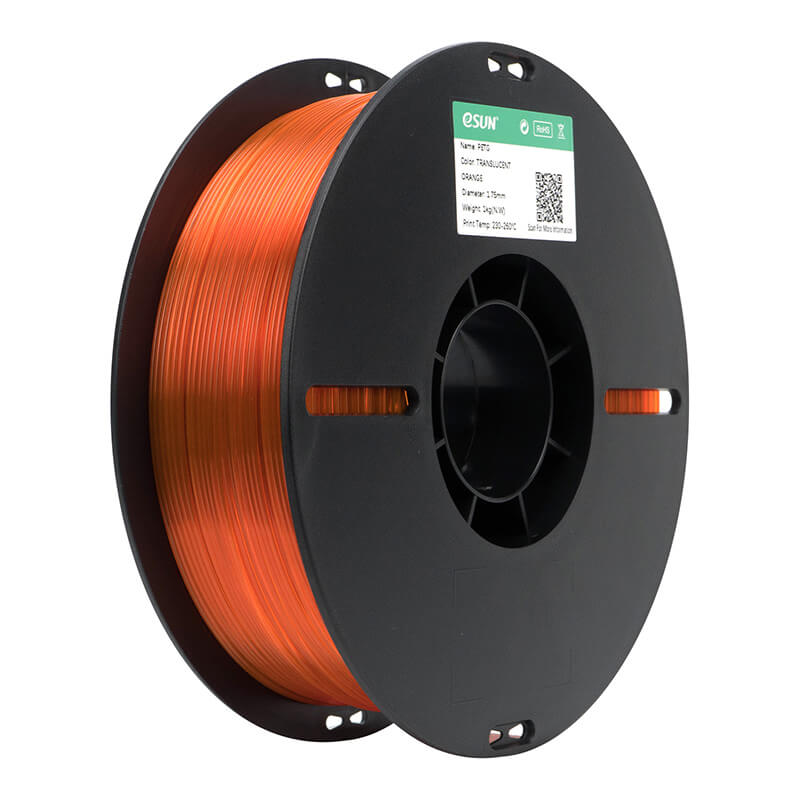
When creating mechanical parts with 3D printing, choosing the right material is one of the most important decisions. The strength, flexibility, durability, and print quality of a filament all affect how well a finished part performs. Many makers, engineers, students, and manufacturers now rely on PETG because it offers an excellent balance between easy printing and reliable mechanical performance. Whether you are designing functional prototypes or producing end-use components, PETG delivers dependable results across many applications.
PETG-Basic has also become a popular option for users looking for consistent print quality and dependable mechanical properties at an affordable price. As part of the growing range of PETG 3D printing filament solutions available from eSUN, PETG-Basic combines easy processing with good strength and attractive surface quality. This article explores why mechanical parts perform better with PETG and PETG-Basic materials, where they work best, and how to choose the right filament for your next project.
Why PETG Is an Excellent Choice for Functional Mechanical Parts
PETG is widely recognized as one of the most versatile materials used in FDM 3D printing. It combines many of the best qualities of PLA and ABS while reducing some of their common limitations. Unlike PLA, PETG provides better impact resistance, improved heat resistance, and greater flexibility. Compared to ABS, PETG is easier to print because it produces less warping and usually does not require an enclosed printer. These advantages make PETG an ideal solution for users who want strong and reliable mechanical components without dealing with complicated printing conditions.
Mechanical parts often experience repeated stress, vibration, or light impacts during everyday use. PETG performs well under these conditions because it has excellent layer bonding and good toughness. This helps reduce cracking or splitting between layers, allowing finished parts to last longer even under regular use. PETG also offers good chemical resistance and moisture resistance, making it suitable for parts used in workshops, garages, kitchens, or outdoor environments. These qualities have made PETG filament one of the most recommended materials for both hobbyists and professional engineers.
How PETG-Basic Improves Everyday 3D Printing Projects
PETG-Basic is designed to provide users with an easy-to-use material while maintaining many of the performance advantages associated with standard PETG. For beginners entering the world of 3D printing, PETG-Basic offers a practical balance between affordability, printability, and durability. Experienced users also appreciate its consistency because reliable filament diameter and stable extrusion help produce cleaner prints with fewer failures.
Many everyday mechanical projects benefit from PETG-Basic because it produces strong components with smooth surfaces and dependable dimensional accuracy. Brackets, mounting plates, storage organizers, replacement knobs, tool holders, and custom fixtures all require strength while remaining easy to manufacture. PETG-Basic handles these tasks effectively without requiring complicated printer settings. eSUN has developed PETG-Basic to provide stable printing performance, making it an excellent choice for schools, makerspaces, engineering teams, and businesses seeking dependable PETG 3D printing filament for daily production needs.
Mechanical Parts That Benefit Most from PETG and PETG-Basic
Many functional parts perform significantly better when printed using PETG or PETG-Basic rather than basic PLA. Mechanical applications usually require materials that can handle repeated movement, moderate heat, pressure, and occasional impacts without breaking. PETG provides enough flexibility to absorb stress while maintaining its structural integrity. This balance helps improve the lifespan of printed components that are used regularly.
Some of the most common applications include machine covers, cable management brackets, robotic components, protective housings, camera mounts, automotive interior accessories, electronic enclosures, tool organizers, gears for light-duty systems, replacement appliance parts, workshop jigs, manufacturing fixtures, and custom mechanical adapters. PETG-Basic is equally suitable for producing practical household repairs, office accessories, educational engineering models, and prototype assemblies. Because PETG resists moisture and many common chemicals, these printed parts continue performing reliably even in environments where humidity or cleaning solutions are present. This versatility explains why PETG filament continues to rank among the best materials for functional 3D printing projects.
Comparing PETG with Other Popular 3D Printing Filaments
Selecting the right material often requires understanding how PETG compares with other commonly used filaments. PLA remains one of the easiest materials to print and is excellent for decorative models, educational projects, and display items. However, PLA can become brittle over time and loses strength when exposed to higher temperatures. For mechanical applications requiring durability, PETG usually offers much better long-term performance.
ABS provides excellent strength and heat resistance but often requires higher printing temperatures, enclosed printers, and careful environmental control to reduce warping and cracking. PETG fills the gap by offering many of ABS’s mechanical benefits while remaining easier to print. PETG-Basic further simplifies the printing experience by providing stable extrusion and dependable layer adhesion. When users want strong functional parts without unnecessary printing complications, PETG and PETG-Basic often become the preferred solutions. This balance of performance and ease of use has helped PETG establish itself as one of the leading materials in the 3D printing industry.
Best Printing Practices for PETG and PETG-Basic
Achieving high-quality mechanical parts depends not only on choosing the right filament but also on using proper printing techniques. PETG generally prints best with nozzle temperatures recommended by the filament manufacturer, along with a heated print bed that promotes strong first-layer adhesion. Moderate print speeds allow each layer to bond effectively, improving the overall strength of the finished component. Clean build surfaces and proper bed leveling also help reduce printing defects.
PETG-Basic is designed to simplify the printing process while maintaining reliable mechanical performance. Storing filament in a dry environment helps prevent moisture absorption, which can negatively affect print quality. Users should also fine-tune retraction settings to reduce stringing, a common characteristic of PETG materials. High-quality PETG 3D printing filament from trusted manufacturers such as eSUN provides consistent diameter control and stable extrusion, allowing users to produce accurate mechanical parts with fewer failed prints. Proper printer calibration combined with quality filament creates stronger components that maintain their performance over time.
Why eSUN PETG Filament Is a Reliable Choice for Engineers and Makers
As the demand for functional 3D printed parts continues to grow, material consistency becomes increasingly important. eSUN has built a strong reputation for producing reliable PETG filament that serves hobbyists, educators, designers, engineers, and industrial users around the world. The company’s commitment to quality control ensures stable filament diameter, smooth extrusion, and dependable printing performance across a wide variety of desktop FDM printers.
The eSUN product lineup includes PETG and PETG-Basic options that support different project requirements while maintaining high manufacturing standards. Whether users are producing prototypes, manufacturing aids, custom replacement parts, or everyday mechanical components, these materials provide dependable strength, durability, and ease of printing. eSUN also continues to expand its range of advanced 3D printing materials, helping customers choose the right filament for specific engineering applications. For anyone searching for high-quality PETG 3D printing filament, the products available through esun offer a trusted combination of innovation, performance, and value.
Conclusion
PETG has become one of the most dependable materials for producing functional mechanical parts because it combines strength, toughness, flexibility, and ease of printing into a single solution. Compared with many traditional filaments, PETG offers better impact resistance, stronger layer adhesion, improved chemical resistance, and greater durability for real-world applications. These advantages make it suitable for everything from engineering prototypes to everyday replacement parts.
PETG-Basic extends these benefits by providing an accessible and reliable option for users who want consistent printing results without sacrificing mechanical performance. Backed by the quality standards of eSUN and the wide selection available through esun, both PETG and PETG-Basic are excellent choices for anyone seeking dependable PETG 3D printing filament. Whether you are a beginner creating your first functional model or an experienced engineer manufacturing durable components, these materials deliver the performance, reliability, and value needed for successful mechanical 3D printing projects.