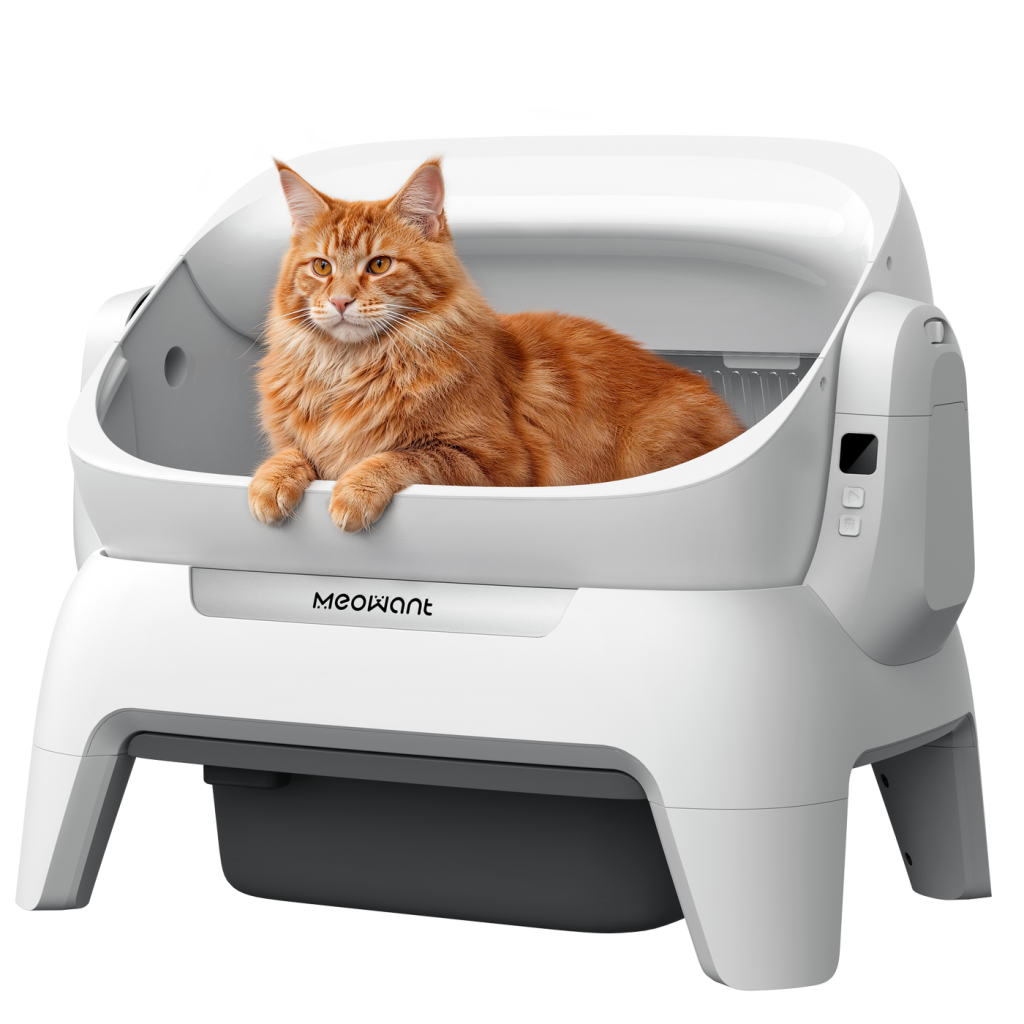
A decade ago, an automated litter box was a curiosity — loud, expensive, and prone to jamming. Today the category sits at an interesting inflection point. Sensors have become cheap, connectivity is standard, and manufacturers are competing less on the basic promise of self-cleaning and more on how intelligently the machine understands the animal using it. The shift is easy to miss if you only read feature lists, but it changes what buyers should expect and how they should plan.
Watching a product category mature is useful for anyone about to spend money on it. Trends reveal which features are becoming table stakes, which are still experimental, and where the real engineering effort is going. This article looks at the direction automated litter systems are moving, why it matters for everyday households, and how to buy well in a market that is changing faster than the manuals suggest.
From Gadget to Appliance: The Maturation Curve
The first generation of automatic cat litter boxes was defined by mechanics. A rake moved, a drum turned, and success depended on whether the motor survived daily use. Reliability was the headline, and early adopters tolerated noise and awkward cleaning in exchange for the novelty of not scooping. That era is ending. Mechanical reliability is now assumed rather than advertised, and the differentiation has moved to software, safety, and user experience.
This maturation matters because it changes the buying question. Instead of asking whether a unit will last, buyers can ask whether it fits their household. Chamber dimensions, entry design, drawer capacity, and noise are now reasonably well solved across reputable brands, which means comparison shopping can focus on lifestyle fit rather than survival. The category is behaving like a mature appliance market, and that is good news for consumers.
Health Monitoring Moves From Novelty to Utility
The most visible trend is the integration of health-related data. Cycle logs, weight tracking, and usage frequency can reveal early signs of urinary issues or digestive changes, and several platforms now surface those patterns to owners. The value is real, but the framing deserves scrutiny. These tools are monitoring aids, not diagnostics. They help an attentive owner notice change sooner; they do not replace a veterinarian, and they can produce anxiety if read without context.
The better implementations focus on trends rather than alerts. A single unusual cycle means little, but a week of shorter visits or increased frequency is worth a conversation with a vet. Buyers should look for clear reporting and sensible defaults rather than a flood of notifications. A dashboard that is easy to ignore is worse than no dashboard at all.
Safety engineering is maturing alongside the software. Weight sensing, anti-pinch stopping, and safe behavior during power loss have moved from premium features to baseline expectations. The next frontier is gentler motion: slower rakes, softer start-up ramps, and cycle delays long enough that a hesitant cat never sees movement it did not cause. These details rarely appear in marketing copy, but they are exactly what determines whether a nervous animal trusts the unit.
Design Is Catching Up With Technology
Early units looked like laboratory equipment. The current generation borrows cues from furniture and small appliances, with quieter motors, softer lines, and better odor sealing. This is not cosmetic vanity. Cats are sensitive to novelty, and a unit that blends into the room is less likely to trigger avoidance. Design also affects maintenance: accessible drawers, tool-free disassembly, and well-placed sensor windows make the monthly deep clean something owners will actually do.
Expect this trend to continue. As mechanical differences narrow, the winners will be the models that are easiest to live with — quiet, cleanable, and unobtrusive. That is a meaningful shift for multi-cat homes and small apartments, where a bulky, noisy unit is hard to place well.

What the Trends Mean for Buyers Today
The practical takeaway is to buy for fundamentals and treat emerging features as bonuses. Chamber size, entry accessibility, cycle noise, drawer capacity, parts availability, and return policy remain the factors that determine daily satisfaction. A unit that gets these right will serve you well even as the software landscape shifts. A unit that gets them wrong will frustrate you regardless of how many sensors it carries.
Second, plan for consumables and repairability. A mature category means parts should be orderable and support should be documented. Check whether filters, liners, and seals are easy to source, and whether the manufacturer publishes maintenance guidance. Brands that treat support as part of the product, like Meowant with its setup and care documentation, tend to age better than those that sell hardware and disappear.
Second-hand and refurbished units are another emerging option worth watching. As the category matures, more machines will be resold when owners move or upgrade, and a refurbished unit from a reputable seller can deliver most of the value at a lower cost. The caveats are the same as any appliance: check the age of the consumables, confirm the warranty transfers, and inspect the drum seal before buying. Done carefully, it is a sensible way to enter the category without paying full price.
Third, resist the pull of subscription-style features. Some platforms gate useful monitoring behind ongoing fees. That can be reasonable if the service delivers clear value, but it changes the long-term cost. Decide in advance whether you want a connected appliance with a service relationship or a standalone machine. Both are valid; mixing them up leads to disappointment.
It also helps to track how the category’s claims hold up over time. A feature that sounds transformative in a launch video often becomes standard a year later, or quietly disappears. Following a brand’s support pages and parts catalog tells you more about long-term commitment than any announcement. Buyers who watch those signals tend to avoid the models that are abandoned when the next generation ships.
Finally, keep the introduction plan. No amount of trend-watching substitutes for a slow, quiet transition with the old box still available. Cats do not read product roadmaps. Their acceptance is still the single largest factor in whether an automated unit earns its place, and that has not changed since the first machine hit the market.

Where the Category Goes From Here
The next wave will likely focus on integration — litter systems that share data with broader pet-care platforms, smarter odor management, and gentler mechanics that reduce stress on older cats. Some of these will prove useful; others will be features in search of a problem. The pattern is familiar from every appliance category: early novelty, rapid feature growth, then consolidation around the handful of things people actually value.
One open question is how much intelligence belongs inside the box. More sensors mean more data, but they also mean more calibration, more firmware updates, and more ways for a machine to fail in ways an owner cannot diagnose. The most durable designs tend to keep the core cycle simple and add intelligence at the edges, where a software fault does not stop the drum from turning. Buyers should favor that philosophy: a unit that still cleans when the network is down will outlast one that depends on the cloud.
For households, the implication is patience. There is no need to chase every new release. A well-chosen unit from a reputable brand, maintained on schedule, will remain useful for years while the market experiments around it. The fundamentals of fit, noise, capacity, and service are stable, and they are what determine whether the machine disappears into the background or becomes another abandoned gadget.
Buying Well in a Changing Market
Automatic litter systems have grown from fragile novelties into mature household appliances, and the direction of travel is toward quieter operation, better design, and more thoughtful monitoring. That is encouraging, but it does not change what makes a purchase succeed: a unit sized for your cat, placed for comfort, maintained on schedule, and backed by available parts and fair return terms.
Watch the trends with interest, but let fundamentals guide the decision. Emerging features are worth having when they come with a solid machine; they are not worth paying for on their own. Choose for fit and support, plan the introduction carefully, and the technology will keep doing what it was always meant to do — quietly take the scoop out of your day.