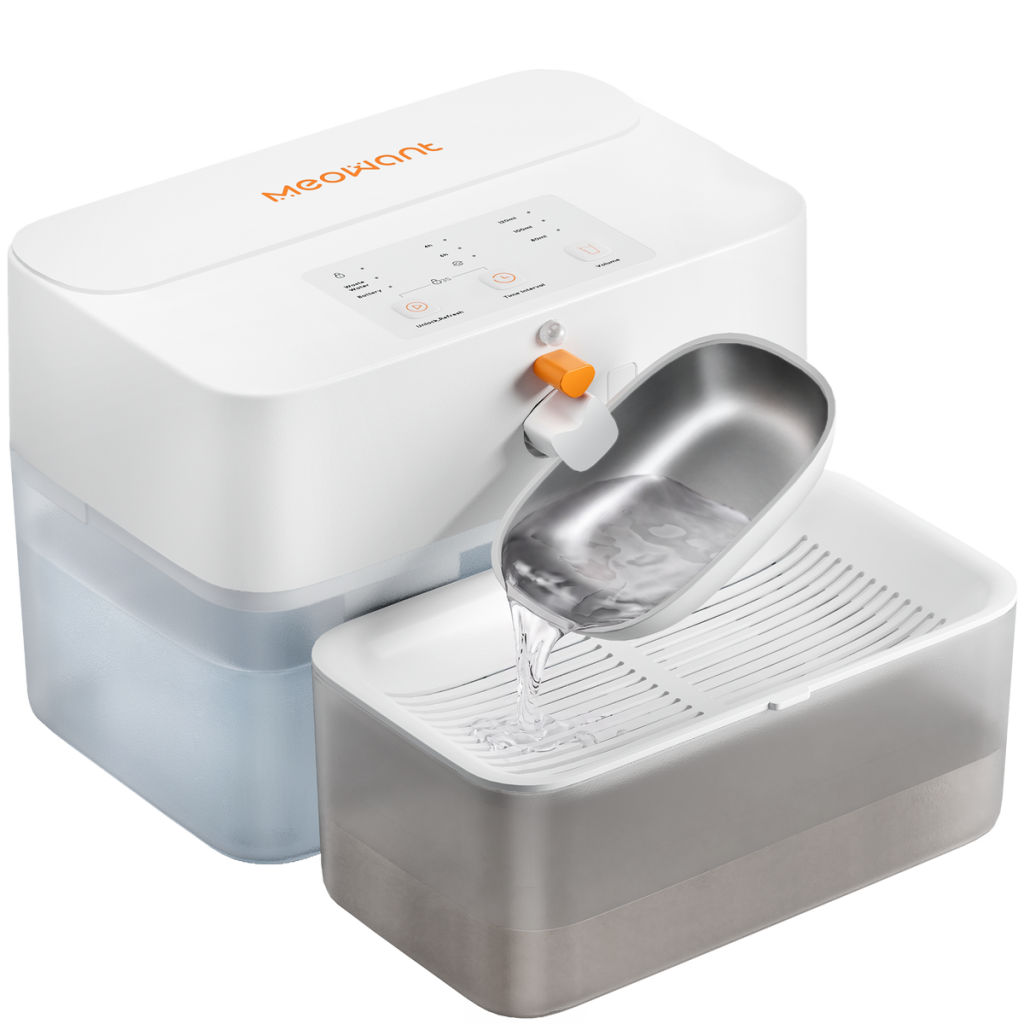
Cats are famously bad at drinking enough water. Their wild ancestors lived on moisture-rich prey, so the urge to seek out a water source never developed the way it did in dogs. In a modern home with dry food and a still bowl, many cats simply drink less than their kidneys would prefer. A pet water fountain addresses that gap by turning a static resource into something moving, cool, and worth investigating.
The result is not magic, but it is measurable for many households: more trips to the bowl, less hovering over a stagnant surface, and a cat that treats hydration as part of its routine. What follows is a practical look at why moving water appeals to cats, how to choose a fountain that fits your home and your cat’s habits, where to place it, and how to keep it clean enough that your cat keeps coming back.
Why Moving Water Works for Cats
In the wild, still water is a risk. A puddle that has sat in the sun may carry bacteria, while a stream suggests freshness. Cats carry that instinct into the living room, which is why so many of them paw at faucets or ignore a bowl that has been sitting since morning. Running water signals that the supply is active and clean, and that signal alone is often enough to pull a hesitant cat toward the bowl.
There is a sensory layer too. Cats are drawn to the sound and shimmer of a small cascade, and many prefer to drink from the moving surface rather than the reservoir beneath it. Owners searching for a pet water fountain usually start with the obvious question of capacity, but the features that matter most are the ones a cat notices: flow style, surface width, and how quietly the pump runs.
Hydration itself has downstream benefits. Cats that drink more tend to produce more dilute urine, which supports urinary tract health and can reduce the risk of crystal formation. A fountain is not a treatment for a medical condition, but it is one of the simplest environmental changes an owner can make to encourage better habits.
Choosing a Fountain That Fits Your Cat
Not every cat wants the same drinking experience. Some like a gentle stream, others prefer a wide pool with a soft ripple, and a few will only drink from the falling water itself. Before you shop, watch how your cat uses its current bowl: does it drink from the edge, lick the surface, or ignore water until you run the tap? That behavior tells you which flow style to prioritize.
Flow Style and Drinking Surface
Fountains generally fall into two camps: those that pour water downward and those that let it bubble up from below. Pouring styles create a visible stream that appeals to cats who like to watch and lick, while bubbling styles create a broad, calm surface that suits cats who prefer to lap. A wide basin also reduces whisker contact, which matters for cats that are sensitive about their faces near narrow bowls.
Capacity, Noise, and Materials
Capacity should match how often you are willing to refill. A single cat may be fine with a compact unit, while a multi-cat home benefits from a larger reservoir and a pump that can keep up with constant use. Noise is the other deal-breaker: a pump that hums or rattles will send a nervous cat back to the sink. Stainless steel and food-grade plastic are the common options, and stainless tends to resist odors and stay cooler.
Meowant designs its fountains around quiet circulation and easy access, which fits households where the fountain sits in a living area rather than a utility corner. Whichever model you choose, check that replacement filters are easy to find and that the pump can be removed for cleaning without tools.
Water Temperature and Filter Types
Many cats show a clear preference for cool water, especially in warm weather, and a fountain keeps water moving enough to stay fresher than a bowl that sits all day. Some units include a carbon filter to reduce taste and odor, while others use a foam layer to catch hair before it reaches the pump. Neither replaces regular cleaning, but both extend the window between deep washes. If your tap water is hard, a filter also helps limit mineral buildup on the pump, which is one of the more common causes of early failure.
Placement and Setup That Encourage Drinking
Where the fountain sits matters as much as what it is. Cats prefer water that is away from their food and away from their litter box, ideally with a clear view of the room so they can drink without feeling exposed. A corner behind a door or beside a noisy appliance is a common reason a fountain goes unused.
Set the unit on a stable surface and route the cord along a wall. Fill it with cool water, run it for a few minutes before your cat approaches, and let the sound do the work. If your cat ignores it for a day or two, do not move it immediately; give it a week, then try a different room. Some owners keep a second, still bowl nearby during the transition so the cat never loses access to water it already trusts.

Cleaning Habits That Keep Cats Interested
A fountain is only as appealing as its water. Slime builds up on wet surfaces quickly, especially in warm rooms, and a cat will abandon a fountain that tastes or smells off long before the owner notices. Rinse the basin every few days, scrub the pump and spout weekly, and replace filters on the schedule the manufacturer recommends rather than when the water starts to look cloudy.
When you clean, take the unit apart fully. Hidden corners inside the pump housing and under the filter are where biofilm forms, and a quick rinse that leaves those areas untouched does little. Use a soft brush and a pet-safe cleaner, and let everything air dry before reassembly.

Watch for warning signs as well: a pump that gets louder, a flow that weakens, or a cat that suddenly stops drinking. Each points to a maintenance issue or, occasionally, a health problem that deserves a vet visit. Keeping spare filters and a backup pump on hand makes the routine easier to sustain.
Hard water is the quiet enemy of any fountain. Minerals collect on the impeller and inside the spout, gradually slowing the flow until the pump struggles to move water at all. If you notice white crust around the outlet, soak the removable parts in a pet-safe descaling solution, rinse them thoroughly, and reassemble. Doing this monthly in hard-water areas prevents most premature pump failures.
Building a Routine That Lasts
The households that keep a fountain running for years treat it like the water bowl it replaced, just with a few extra steps. They top it off each morning, scrub the basin every few days, and set a weekly reminder to take the pump apart. That rhythm is short enough to fit into a normal cleaning routine and frequent enough to keep the water genuinely appealing.
It also helps to watch your cat’s drinking habits over time. A cat that used to visit the fountain several times a day and now ignores it is telling you something, whether about the water quality or its health. Addressing the fountain first is inexpensive and often solves the problem, and a vet visit covers the rest.
If you travel, plan ahead. A fountain with a larger reservoir keeps water available for several days, but it still needs a check-in. A pet sitter who knows how to top it off and clear the filter keeps the system running while you are away, and a quick note on the cleaning schedule prevents the kind of neglect that turns a helpful appliance into a smelly one.
Small Change, Noticeable Difference
A pet water fountain is a modest piece of equipment, but it addresses a real gap between what cats need and what still bowls provide. Moving water draws attention, encourages more frequent drinking, and gives owners a clear, visible way to support hydration. The cats that benefit most are the ones whose owners matched the flow to their habits, placed the unit somewhere calm, and kept the water genuinely clean.
If your cat currently ignores its bowl or drinks only when the tap runs, a fountain is worth trying. Start with a quiet model, give it a fair trial, and build cleaning into your weekly routine. The change is small, but the habit it encourages can last for years.