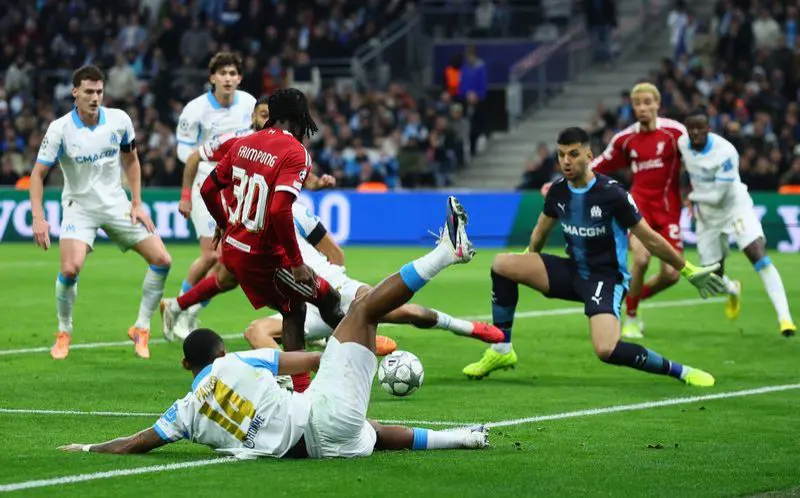
Attacking quality in Ligue 1 is no longer judged only by highlight-reel goals; the sharpest bettors focus on which teams consistently turn final-third pressure into actual end product. Understanding which sides are truly clinical in the final third helps distinguish sustainable attacking power from short-lived hot streaks.
Why “clinical in the final third” matters for bettors
When bettors talk about a team being clinical, they usually mean that attacks do not die in harmless crosses or speculative shots but end in high-quality chances and goals. In modern Ligue 1, conversion rates have climbed above 11% in recent seasons, which means small edges in finishing quality can decide both title races and betting outcomes.
A team that looks dominant on television may produce lots of low-value attempts from distance, inflating shot counts without improving scoring probability. In contrast, a genuinely clinical side moves the ball efficiently into dangerous central zones and then finishes at a rate above league norms, which often shows up as outperforming basic xG models over meaningful samples.
How conversion rate captures final-third sharpness
Shot-conversion rate, usually expressed as goals divided by total shots, is the simplest way to approximate how ruthlessly a team converts opportunities. In recent Ligue 1 seasons, the league-wide average has hovered around 9–11%, while leading attacks push comfortably into the 13–16% band.
However, the value for bettors lies in distinguishing true finishing quality from randomness. Sustained overperformance versus xG, especially when supported by repeatable patterns such as central overloads, runs attacking the box and well-designed set pieces, is more likely to signal genuine attacking edge rather than luck in small samples.
Mechanism: from possession to goals in the final third
Teams that consistently look clinical tend to show a repeatable chain: controlled progression into the final third, quick circulation to unmarked shooters, and a bias for shots from dangerous zones. These sides often register above-average successful passes in the final third while keeping shot volumes reasonable, an indication that they work for quality rather than sheer quantity.
On the pitch, this often appears as full-backs and attacking midfielders combining to create cutbacks, or wingers attacking the half-spaces rather than spamming crosses from wide, which typically carry lower xG. When this structure is stable, the team’s attacking numbers show more goals than a basic xG tally would predict, but not by margins that scream pure variance.
Recent Ligue 1 teams with standout finishing
Recent data points to certain Ligue 1 clubs that have turned relatively modest shot volumes into notable goal returns. In current and recent campaigns, sides such as Olympique Marseille, Monaco, Paris Saint‑Germain and Nice have appeared near the top of conversion tables despite not always leading in overall shot counts.
Marseille, for example, have posted conversion ratios in the mid‑teens while shooting fewer times than some rivals, an indication of either strong finishing talent, superior chance creation in central zones, or both. Monaco have combined a high number of shots on target per match with double‑digit conversion rates, showing how volume and precision can coexist when attacking patterns are well drilled.
Selected Ligue 1 teams and recent attacking efficiency
| Team | Indicator of clinical edge | Key evidence point |
| Olympique Marseille | Above-average chance conversion versus league mean | Conversion rate around mid-teens, clearly above ~9–11% league baseline. |
| AS Monaco | High shots on target plus strong shot-conversion rate | Shot conversion reported above 13%, with frequent on-target attempts. |
| Paris Saint-Germain | Historically elite shot percentage in title seasons | Multiple seasons with shot percentages above 40% in limited-shot frameworks. |
| Overperforming mid-table sides | Goals significantly above xG over meaningful stretches | Periods where goals exceed expected output, especially via set pieces. |
For bettors, these profiles frame which attacks can maintain scoring output even against tighter defences. Teams running far above league norms for only a handful of games, especially without any structural explanation, should be treated with caution when markets begin to price in that finishing form.
Reading final-third data through a data-driven betting lens
Choosing a data-driven betting perspective means translating raw numbers into probabilities and then comparing them with market prices. Ligue 1 offers rich datasets on shots, shots on target, xG, xG per shot and conversion rate, enabling bettors to quantify whether a team’s goal output matches, exceeds or lags behind underlying process.
A practical workflow starts with tracking team-level season-long conversion rates and xG differences, then drilling down into rolling ten-game windows to identify emerging trends. When a club’s conversion rate remains well above league average while shot quality metrics also improve, the case for sustainable attacking strength is stronger than when only the conversion figure spikes.
Situations where final-third sharpness misleads
There are consistent scenarios where a statistically clinical team fails to translate its final-third numbers into predictable results. One is heavy reliance on set-piece routines, where a handful of skilfully executed corners or free-kicks can inflate conversion metrics despite relatively ordinary open-play threat.
Another is when a side features one hot finisher dramatically outperforming personal xG over a short run, which can exaggerate the team’s apparent cold-bloodedness. When that striker cools off or misses time, the collective numbers quickly regress toward league norms, catching out bettors who assumed the elevated conversion rate reflected a deep structural advantage.
How clinical teams change live and pre-match markets
The market reaction to a clinical Ligue 1 side usually appears in goal-based pricing: totals lines edging upward and both-teams-to-score odds shortening. Once bookmakers integrate improved conversion rates into their models, the early edge for bettors disappears unless new information arises, such as tactical changes or injuries altering final‑third dynamics.
At that stage, betting value hinges on being quicker than the market at recognising shifts, for example a new coach altering shot selection or a key creator returning and lifting final‑third passing volume. Bettors who maintain their own rolling metrics can react faster than prices that still lean on aggregated season-long numbers.
Evaluating clinical attacks when using UFABET
Under certain conditions, bettors who already monitor Ligue 1 data eventually look for a convenient way to translate those insights into action, and that is where the choice of betting destination becomes a secondary but still relevant question. When assessing options, the key is to see whether the selected สล็อต ufa168 offering allows flexible staking across totals, team goals and player markets, because only then can nuanced views on final‑third efficiency be expressed precisely. Odds movement around clinical teams can be rapid after lineups or tactical news, so the bettor’s real edge comes from combining fast interpretation of xG and conversion trends with access that does not constrain market selection or timing, rather than from the name of the provider itself.
Linking clinical finishing to broader xG frameworks
Isolated conversion numbers lose context if they are not tied back to expected goals, shot locations and overall chance quality. In Ligue 1, teams that maintain high conversion rates while also creating strong xG per shot are far more likely to remain dangerous than those whose impressive percentages rest solely on small samples or unusual game states.
The more a bettor integrates passing data from the final third, shot maps, and xG into one coherent model, the less reliant they become on headline figures that might lag underlying reality. As the league continues to generate more goals and higher conversion levels across the board, only this layered view offers a stable basis for projections.
Using casino online environments when studying Ligue 1 markets
Occasionally, bettors interested in French football will encounter interfaces where sports betting sits alongside other forms of wagering, and this blended context can influence how attention and risk are allocated. When a casino online website presents both slots or table games and a detailed sportsbook, the risk is that the analytical discipline used for Ligue 1 data—tracking xG trends, conversion rates and final‑third passing—gets diluted by impulsive decisions in unrelated games. From a rational standpoint, the bettor gains most by mentally segregating methodical, data-driven football staking from high-volatility entertainment products, so that the careful edge carved out in evaluating clinical attacks is not undone by decisions that ignore probability and sample size entirely.
Summary
Ligue 1 now features several teams whose attacking structures and finishing talent push their conversion rates above a rising league baseline, turning final‑third entries into goals more efficiently than average. For bettors using a data-driven approach, the value lies in distinguishing sustainable clinical finishing, grounded in xG and repeatable patterns, from short bursts of fortune that markets will eventually price away or that will simply regress.