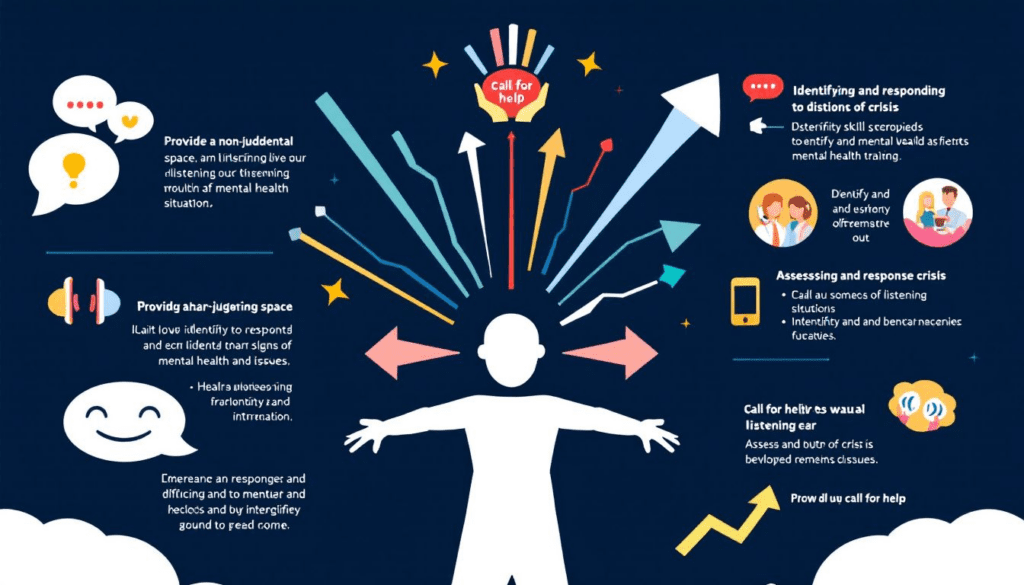
Mental health crises can occur without warning and may leave people feeling unsure about how to help. Initial response training focuses on building confidence, awareness, and practical skills so individuals can respond calmly and safely during these critical moments. Programs aligned with 11379NAT Initial Response to a Mental Health Crisis provide structured guidance on recognising distress, offering immediate support, and encouraging appropriate professional help. This type of training plays a vital role in protecting well-being and reducing harm in both personal and professional settings.
Understanding What Initial Response Training Involves?
Initial response training is designed to prepare people to act during the early stages of a mental health crisis. It does not aim to diagnose or treat mental illness. Instead, it focuses on recognising warning signs, communicating effectively, and ensuring safety until further help is available.
Participants learn that mental health crises may involve intense anxiety, panic, emotional shutdown, or thoughts of self-harm. Understanding that these reactions are signals of distress rather than weakness helps responders approach situations with empathy rather than fear. This mindset is essential for adequate support.
Why Early Response Makes A Difference?
Responding early during a mental health crisis can significantly influence outcomes. When distress is acknowledged quickly and respectfully, individuals often feel less isolated and more willing to accept help. Early response can reduce escalation and prevent situations from becoming more severe.
Training emphasises the value of being present and attentive. Even simple actions such as listening calmly or offering reassurance can help stabilise emotions. Knowing how to respond early allows people to act with purpose rather than hesitation.
Acquiring Knowledge Through Organised Mental Health Classes
Structured Mental Health Courses provide a clear framework for understanding emotional distress and crisis response. These courses break down complex topics into practical, easy-to-understand concepts that can be applied in real situations.
Participants gain insight into how stress, trauma, and mental health challenges can affect behaviour and decision-making. Courses also encourage open discussion and reflection, helping learners build confidence in their ability to support others. This education reduces stigma and promotes a more informed, compassionate approach to mental well-being.
Communication Skills For Crisis Situations
Effective communication is one of the most important skills taught in initial response training. During a crisis, the way something is said can be just as important as what is said. Responders learn to use clear, simple language and maintain a calm tone.
Active listening is emphasised, allowing the person in distress to feel heard without interruption or judgment. Asking open questions and validating feelings helps build trust. These communication skills support de-escalation and create a safer environment during emotionally intense moments.
Building Confidence With Mental Health First Aid Knowledge
Training that reflects First Aid Mental Health Course principles helps individuals understand their role during a crisis. Just as physical first aid focuses on immediate care before medical treatment, mental health first aid centres on early support and safety.
Participants learn how to assess risk, offer reassurance, and guide individuals toward professional resources when needed. This structured approach reduces uncertainty and helps responders feel more confident in their actions. Knowing clear steps to follow makes it easier to remain calm under pressure.
Knowing Boundaries And When To Seek Help?
An important part of initial response training is understanding boundaries. Responders are taught that they are not expected to solve the problem alone. Recognising when a situation requires urgent professional or emergency support is essential.
Training reinforces the importance of self-awareness and personal safety. Knowing when to involve mental health professionals, emergency services, or trusted supports protects both the responder and the person in crisis. This clarity helps prevent burnout and emotional overload.
Advantages For Communities And Workplaces
Initial response training benefits individuals, workplaces, and communities. In professional settings, trained staff contribute to safer environments where mental health concerns are addressed early. This can improve morale, communication, and overall well-being.
In communities, increased awareness leads to stronger support networks. Friends, family members, and volunteers feel more prepared to help during difficult moments. Over time, this shared knowledge builds resilience and encourages help-seeking behaviour.
Conclusion
Initial response training for mental health crisis support equips individuals with essential skills to act calmly, compassionately, and responsibly. By improving awareness, communication, and confidence, this training supports safer responses during critical moments. Investing in early response education strengthens individuals, workplaces, and communities while promoting long-term mental well-being.