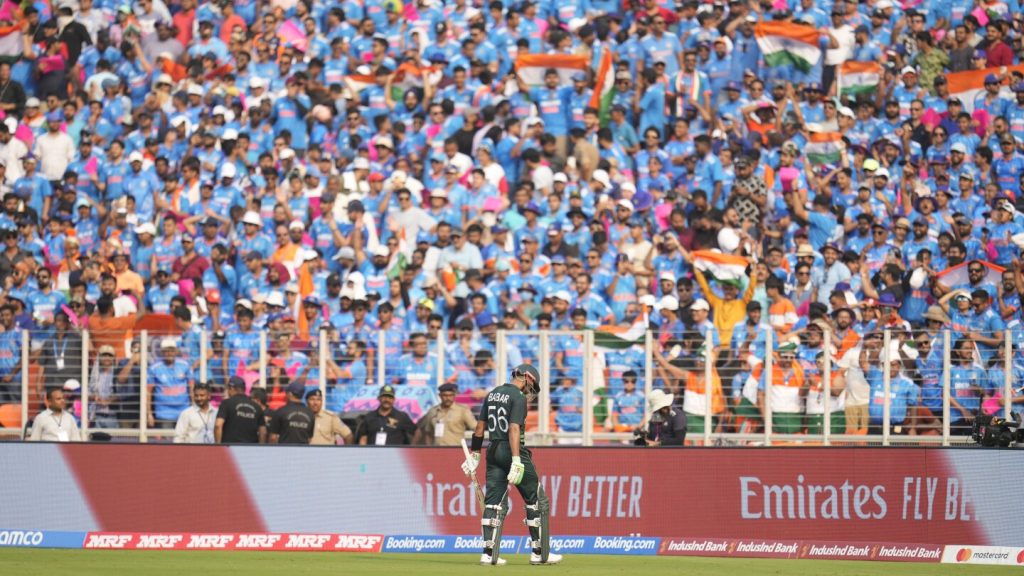
Cricket rarely starts at the first ball. For many fans, it starts earlier – when the match time gets double-checked, when a snack plan takes shape, when a group chat wakes up, and when someone claims “the lucky seat” on the couch. These pre-match rituals aren’t only about superstition. They help people shift into match mode, build anticipation, and feel a sense of control before a game that can change direction in a single over.
Rituals also make cricket more social. Even when viewers watch alone, the lead-up often happens in the same shared spaces – family messages, friends’ chats, social feeds, and pre-game debates. The result is a familiar pattern: prepare, predict, react, repeat. The sections below break down what fans commonly do before every live match and how to borrow the best parts of these habits for a better viewing experience.
The pre-match reset: getting ready for the first ball
Before the broadcast starts, many fans “warm up” by scanning key details: the start time, the venue, the playing XI, and the toss result. This is where a second screen becomes part of the ritual. Instead of relying on one stream, many viewers keep live criket matches open to track toss updates, confirm timing, and follow early momentum cues without hunting through multiple tabs.
This habit solves a real problem. Live video streams can run behind, and social feeds can spoil moments. A dedicated live page keeps the essentials in one place–schedule, score, and match flow–so the viewing experience stays organized.
Snack strategy and break planning
Food is part of match culture for a reason. Cricket has natural pauses–innings breaks, drinks, strategic timeouts, and over changes – so it’s easy to plan snacks without missing too much action. Fans often time heavier food for breaks and keep “one-hand snacks” for play: items that don’t require constant attention or messy cleanup.
A useful approach is to plan snacks based on match length. For shorter formats, keep it simple and ready before the first ball. For longer games, plan a refill point so the kitchen trip doesn’t steal a key spell.
The “seat selection” effect
Many fans claim a specific spot and stick to it, especially during close chases. It sounds funny, but there’s logic behind it. A consistent seat means consistent viewing angles, fewer interruptions, and less shuffling when tension rises. In group settings, it also prevents mid-match seat negotiation, which can derail the vibe fast.
Home watch rituals that make the experience better
Home setups vary from a single phone to a full TV-plus-second-screen layout. The best ritual is the one that reduces friction. If a TV is available, it usually becomes the main screen. A phone or tablet becomes the companion screen for live updates, player stats, or chat.
Small settings can make a difference. Many viewers adjust brightness so the screen is readable without glare. Some prefer subtitles off to keep the screen clean. Others tweak audio so commentary stays clear even when people are talking in the room.
Notification habits that prevent spoilers
Alerts can improve match following or ruin it. A common ritual is muting most notifications before play and allowing only a few that matter. Some fans mute group chats until innings breaks, then catch up. Others silence social apps entirely, especially during the last few overs of a chase.
The goal is to control the flow of information. When the match delivers surprise moments, the broadcast should be the place where they land first.
Jerseys, lucky caps, and “same mug” traditions
These habits persist because they’re fun and because they create identity. Wearing a jersey or using the “match-day mug” signals that the game matters. It’s not about causing a win. It’s about marking the moment, the way people dress differently for concerts or celebrations.
If rituals ever feel stressful, they’ve stopped doing their job. The best traditions are lightweight and enjoyable.
Group chat and watch-party traditions
In many circles, the match begins with jokes and predictions before the first ball is even bowled. Someone posts the playing XI. Another person reacts to the toss. A third drops a meme about a rival team’s form. That pre-game banter helps everyone arrive at the match on the same page.
Predict-the-score games and friendly stakes
Many groups run informal prediction games: first wicket method, top scorer, final total, or “who wins the powerplay.” These are often played for bragging rights, not money. The purpose is engagement. It keeps people invested even during slower passages.
Hosting basics that keep everyone involved
Watch parties work best when the room is set up for visibility. The TV should be viewable from multiple angles. Seating should allow conversation without blocking screens. Snacks should be easy to grab. Even small details – like having a place to charge phones – can prevent the party from drifting into constant movement and distraction.
Superstitions vs habits: what actually helps fans enjoy the match
Rituals feel powerful because they reduce uncertainty. Cricket is unpredictable by design, and that unpredictability creates tension. A set of pre-match habits gives the brain something stable: a plan, a setup, and a sense of readiness.
The useful habits are the ones that improve the experience directly. A good screen setup reduces missed moments. A snack plan reduces interruptions. Managed notifications prevent spoilers. These are rituals with practical outcomes.
It’s also worth noticing when rituals become a burden. If a viewer feels anxious because a “lucky” item isn’t available, the ritual has shifted from fun to pressure. In that case, it helps to simplify: keep one small tradition and focus on the habits that actually improve viewing.
The “Before Every Match” ritual checklist
- Confirm start time and toss info, then keep one second-screen source open
- Set notifications to essentials only, and mute spoiler-heavy apps during play
- Prep snacks and drinks before the first ball, with a refill plan for breaks
- Pick a viewing spot with clear angles and easy access to charging
- Agree on watch-party basics: volume level, chat timing, and snack placement
- Decide on one fun tradition–jersey, cap, or “match mug”–and keep it light
When the First Ball Feels Bigger
Pre-match rituals are part of what makes cricket feel communal. They create anticipation, bring structure to a long game, and make the viewing experience smoother. Whether the ritual is a jersey, a snack plan, or a second-screen setup, the best ones help the match feel like an event–before the first ball is even bowled.