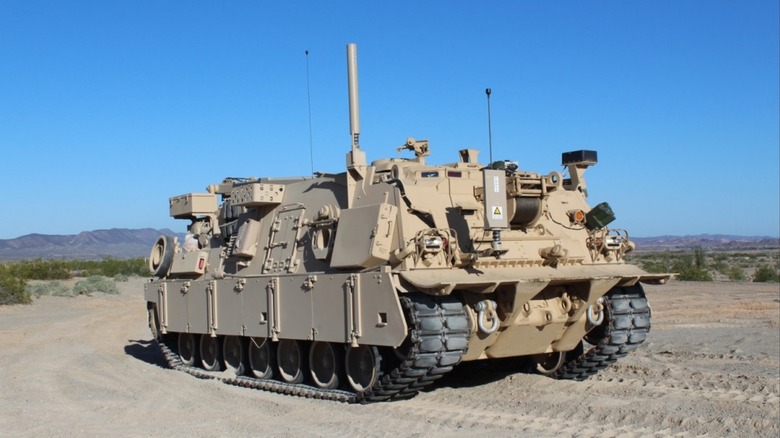
Stay ahead in the defense sector with an in-depth understanding of Everything You Need to Know About the M88 Concept. This innovative military strategy is transforming how forces approach combat, technology, and tactical planning. Whether you’re a defense enthusiast, a military professional, or simply curious about future warfare, mastering the M88 concept is essential for understanding its potential impact.
The Genesis and Core Principles of the M88 Concept
The Everything You Need to Know About the M88 Concept begins with its origins, core ideas, and strategic foundation. Developed in response to evolving threats and technological innovations, the M88 concept integrates advanced robotics, AI, and network-centric warfare principles. This approach emphasizes adaptability, speed, and precision—core components for modern and future combat scenarios.
Before diving into technical details, it’s crucial to understand how this concept stands apart from traditional military doctrines. Its foundation lies in leveraging cutting-edge technology to create a more agile, responsive, and resilient force. Integrating AI and robotics not only enhances battlefield capabilities but also minimizes human risk, makingM88 a significant leap forward in military strategy.
Historical Background and Development
The M88 concept traces its roots to the early 21st-century military innovations where nations sought to modernize armed forces amid geopolitical tensions. Countries like the United States, China, and Russia invested heavily in autonomous systems and networked combat units. The idea was to develop a flexible, multi-dimensional approach that could adapt quickly to unpredictable battle environments.
This push was further accelerated by advancements in AI, drone technology, and cyber warfare, which called for a comprehensive concept that could unify these elements into a cohesive fighting force. The M88 initiative emerged from joint military and technological research programs, aiming to create a model for future warfare where human soldiers are supported and augmented by autonomous systems.
Fundamental Principles of the Concept
At its core, the M88 concept emphasizes interconnectivity, autonomy, and real-time decision-making. This includes integrating sensors, AI algorithms, and robotic systems across a unified battlefield network. Such interconnectedness ensures that data flows swiftly, allowing commanders to make precise decisions almost instantaneously.
Furthermore, the concept promotes modularity, meaning units can be reconfigured based on the operational needs, whether it’s uncovering enemy positions or engaging in high-intensity combat. By prioritizing flexibility, the M88 concept ensures forces can effectively counter both conventional and hybrid threats. The key principles are designed to maximize efficiency while minimizing vulnerabilities.
Technological Innovations Driving the M88 Concept
The success of the M88 concept hinges on cutting-edge technology. Developers are harnessing advancements in AI, robotics, and cybersecurity to forge a new frontier in military capabilities. This integration results in smarter, faster, and more lethal operations that remain adaptable under complex conditions.
Before examining specific technologies, it’s important to appreciate the layered complexity of the M88 system. Combining hardware, software, and human oversight creates a dynamic and resilient operational ecosystem. Now, let’s explore the technological breakthroughs that are shaping this revolutionary philosophy.
AI and Autonomous Systems in the M88 Strategy
Artificial intelligence is the backbone of the M88 concept, enabling autonomous decision-making, target recognition, and strategic planning. These AI systems are designed to process enormous amounts of battlefield data, identify threats, and recommend or implement responses without direct human input.
For example, autonomous drones equipped with AI can patrol extensive areas, provide real-time intelligence, and even engage targets with minimal human intervention. By reducing reliance on human soldiers for dangerous tasks, the M88 approach significantly enhances safety and operational efficiency.
From a strategic perspective, AI-driven analytics help commanders forecast enemy movements and adapt tactics rapidly. This predictive capacity is invaluable in complex, fluid scenarios where situational awareness can determine the outcome of a conflict.
Robotics and Networked Warfare
Robotics plays a critical role within the Everything You Need to Know About the M88 Concept, providing both physical and strategic advantages. Autonomous ground vehicles, underwater drones, and aerial robots collaborate seamlessly within a networked system, creating a unified, multi-layered battlefield.
These robotic units are designed for various roles—from reconnaissance and logistics to direct combat. Networked warfare ensures that all units share information in real-time, enabling coordinated maneuvers and overwhelming enemy defenses.
The integration of robotics results in a more agile force that can operate in environments hazardous to humans, such as contaminated zones or under electronic warfare attacks. This not only enhances operational reach but also reduces casualties.
Cybersecurity and Data Integration
The backbone of the networked M88 proposition relies heavily on cybersecurity measures. Ensuring data integrity and protecting against cyber attacks is paramount, as compromised systems could lead to catastrophic failures. Developers invest heavily in encryption, intrusion detection, and attack mitigation technologies.
Data integration from various sensors and units fosters a comprehensive battlefield picture. To capitalize on this, the M88 concept employs sophisticated data analytics that synthesize information from multiple sources—air, land, sea, and cyber domains. This holistic view empowers commanders with unparalleled situational awareness.
Strategic and Tactical Implications of the M88 Concept
Adopting the Everything You Need to Know About the M88 Concept significantly changes how military operations are conducted. It shifts focus from brute force to intelligence-driven, technologically advanced warfare—requiring new tactics, training, and strategic thinking.
Understanding these implications can help defense planners and policymakers prepare for the future battlefield landscape. Let’s explore the core aspects of strategic adaptation and tactical execution under the M88 framework.
Transforming Military Strategy and Doctrine
The M88 concept encourages a paradigm shift from conventional warfare tactics to a highly fluid, network-centric approach. With autonomous systems and real-time data sharing, military doctrine now emphasizes speed, flexibility, and precision over sheer manpower and firepower.
Commanders must learn to operate in a digitally interconnected environment, where decisions are based on extensive data analytics and AI recommendations. This requires new training programs focused on managing autonomous units and understanding cyber dependencies.
Furthermore, strategic planning now involves considering the full spectrum of hybrid threats, including cyber attacks, misinformation campaigns, and asymmetric warfare. The traditional hierarchical command structure gives way to more decentralized decision-making, enabled by AI insights.
Impact on Combat Tactics and Engagement
On the tactical level, the M88 concept promotes rapid deployment of autonomous assets tailored to specific mission goals. For example, autonomous drones can conduct persistent surveillance, relaying real-time imagery and analysis to ground troops or command centers.
Engagement strategies shift to include electronic warfare and cyber disruption in addition to physical violence. This layered approach makes it more difficult for opponents to predict or adapt to military moves, thus increasing battlefield unpredictability.
For soldiers and officers, the key lies in mastering the integration of human judgment with autonomous system outputs, emphasizing collaborative decision-making in high-stress situations. Tactics must evolve to leverage these new capabilities effectively, transforming the battlefield into a highly interconnected operational theater.
Ethical, Legal, and Strategic Challenges
While the M88 concept offers numerous advantages, it also raises critical ethical and legal questions. Autonomous decision-making in lethal engagements prompts debates about accountability, moral responsibility, and compliance with international law.
Strategically, adversaries may develop counter-autonomous systems or cyber defenses to neutralize the advantages of M88-enabled forces. This leads to an ongoing arms race requiring continuous innovation and oversight to maintain technological dominance.
Balancing technological advancement with ethical considerations remains essential in ensuring the M88 concept contributes positively to future warfare. Transparent policies and international cooperation will play pivotal roles in guiding these developments responsibly.
Conclusion
Everything You Need to Know About the M88 Concept encapsulates a groundbreaking approach to future warfare, emphasizing integration, autonomy, and networked intelligence. Driven by technological innovation, it shifts military strategy from traditional tactics to a more agile, information-centric paradigm capable of addressing complex threats in dynamic environments. While the paradigm offers powerful advantages, it also poses strategic, ethical, and legal challenges that require thoughtful navigation. As nations continue to develop and refine this concept, staying informed and adaptable remains the key to leveraging its full potential for national security and military effectiveness.